CUSHIONED VINYL FLOORING IN BRISTOL
Cushioned Vinyl Flooring Stockist
The Largest Cushioned Vinyl Flooring Showroom with the Lowest Prices in Bristol and the South West.
Shop quality cushioned vinyl flooring at CW Jones, where you can find trusted brands and the best flooring prices in Bristol. Our collections features products from well known brands, including Forbo , RhinoFloor , Leoline , and Tarkett .
Cushioned Vinyl Flooring Stockists in Bristol
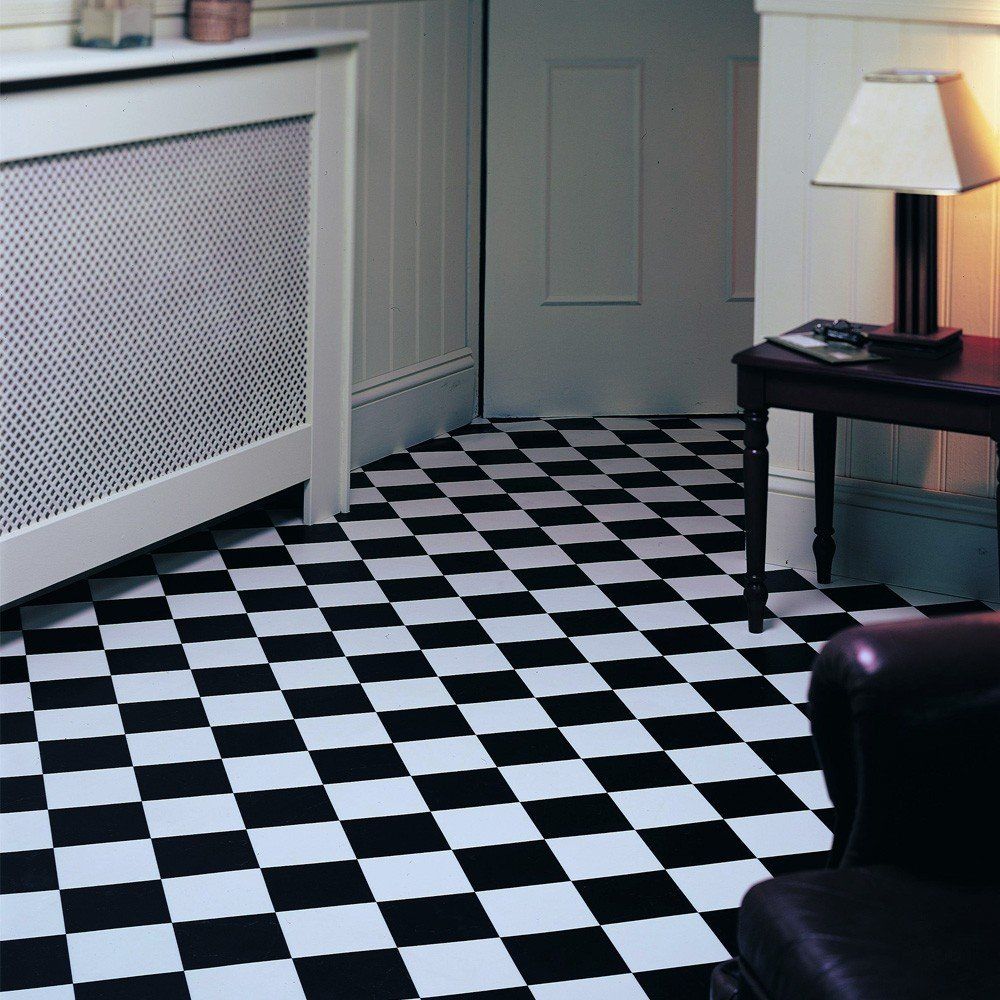
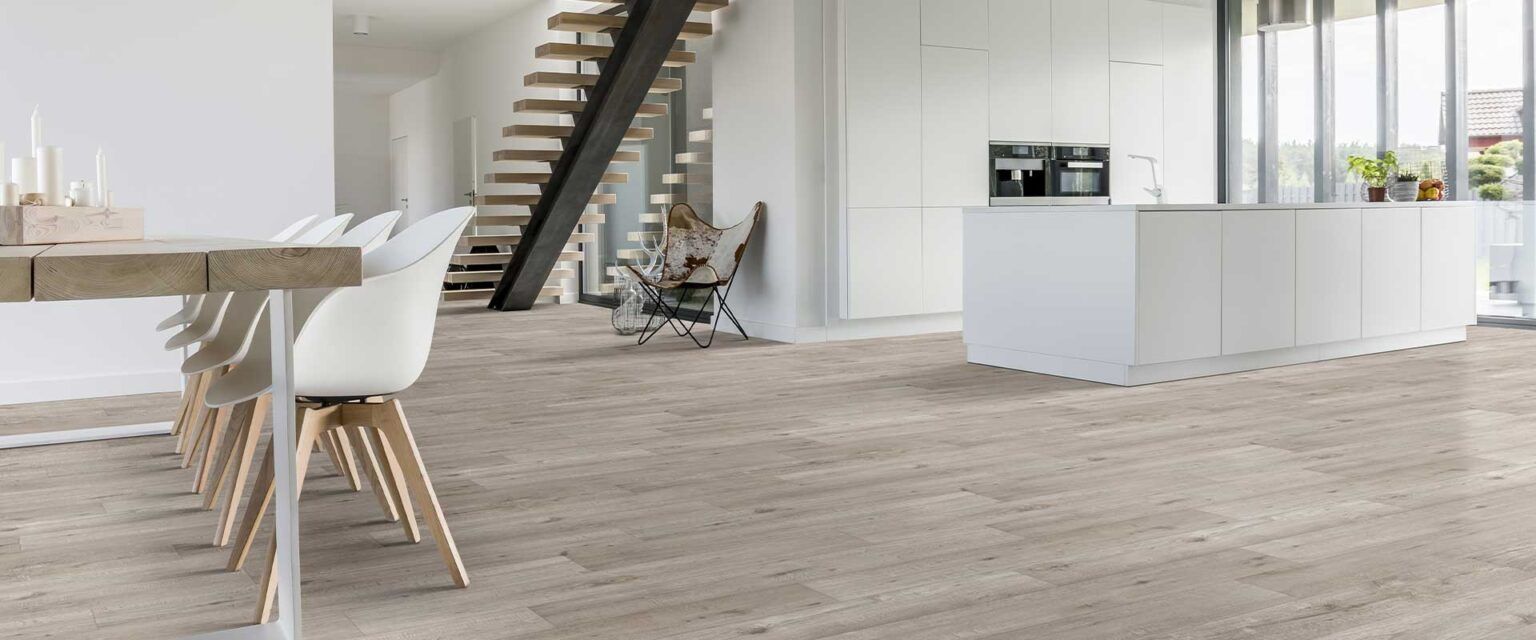
Vinyl flooring is highly versatile and comes in a wide range of beautiful styles and finishes. Need something modern and classy? Check out the slate effect cushioned vinyl flooring from the Novilon Classic collection. How about a striking, organic design? Try herringbone cushioned vinyl flooring from Tarkett.
Whatever your choice, rest assured that shopping at CW Jones will get you hard-wearing, low maintenance flooring that you can install in just about every room in your property and make it look good.
Come visit our showroom to see our entire catalogue of cushioned vinyl flooring in Bristol. For more information about our featured brands and to get the lowest prices, please contact us today .



BUYER'S GUIDE TO CUSHIONED VINYL FLOORING
The versatility of cushioned vinyl flooring opens you up to a world of possibilities for interior design. However, it can also be overwhelming with the amount of choices you can make. This buyer’s guide should hopefully make the process easier.
WHAT IS CUSHIONED VINYL FLOORING?
If you are looking for inexpensive, long-lasting flooring that can take on a variety of visual designs and feel good on your feet, cushioned vinyl flooring is what you need. It is composed of a dense vinyl core, a decorative print layer, a transparent protective wear layer at the very top, and a foam cushion layer at the bottom to provide insulation and comfort.
You can have vinyl flooring emulate traditional materials such as wood, stone, and porcelain. Because it is hard-wearing, water-resistant, and generally easy to clean, you can expect high-quality vinyl flooring to last for up to 25 years.
WHAT IS THE DIFFERENCE BETWEEN CUSHIONED VINYL, LVT AND LINO?
Cushioned vinyl, LVT and lino are three flooring terms that customers sometimes use interchangeably, but they refer to different products. Understanding the differences can help you select the most suitable flooring for your room, expected foot traffic and available budget.
Cushioned vinyl is a sheet flooring supplied on a roll. Its foam-backed construction provides a softer, warmer and quieter surface underfoot. It is generally the most economical of the three options and is available in realistic wood, stone, tile and patterned designs.
Luxury vinyl tile, usually shortened to LVT, is supplied as individual planks or tiles rather than one continuous sheet. It normally has a firmer construction and a more detailed surface, allowing it to reproduce the appearance of natural wood or stone convincingly. LVT is usually more expensive than cushioned vinyl, but damaged planks or tiles may be easier to replace individually.
Lino is short for linoleum, a flooring manufactured principally from natural materials such as linseed oil, wood flour and resins. Genuine lino differs from synthetic vinyl flooring and is often selected for its durability and environmental credentials. It requires suitable fitting and maintenance, particularly in rooms regularly exposed to moisture.
OUR EXPERT FITTING SERVICE FOR CUSHIONED VINYL FLOORING
Vinyl is DIY-friendly, making it a good choice for the budget-conscious. However, the process can be tedious, and making a mistake means more of your precious time and effort wasted. Enjoy your new cushioned vinyl flooring without the stress when you take advantage of CW Jones’ professional fitting services. Ask in store for details.
HOW MUCH DOES CUSHIONED VINYL FLOORING COST?
The following supply-only figures provide an approximate guide. The final price depends on the manufacturer, design, overall thickness, wear layer, flooring grade and any current showroom offers.
| Flooring grade | Guide price per m² | Cost per linear metre on a 2m roll | Cost per linear metre on a 3m roll | Cost per linear metre on a 4m roll |
|---|---|---|---|---|
| Budget or light domestic | £5–£12 | £10–£24 | £15–£36 | £20–£48 |
| Mid-range domestic | £12–£20 | £24–£40 | £36–£60 | £48–£80 |
| Premium or heavy domestic | £20–£30 | £40–£60 | £60–£90 | £80–£120 |
These are indicative UK supply prices rather than guaranteed CW Jones prices. Professional fitting, floor preparation, adhesive, uplift and disposal may cost extra.
How Roll Width Affects the Price
Cushioned vinyl is normally available in fixed roll widths, commonly 2, 3 or 4 metres. Although the price per square metre may remain the same, the selected width affects how much material must be purchased.
For example, a room measuring 2.8 metres by 4 metres would normally require a 3-metre-wide piece cut to a length of 4 metres. The customer would therefore purchase 12m² of flooring, even though the room itself covers 11.2m². A wider roll may create more unused material, while a roll that is too narrow could require an additional section and a visible join.
Choosing the width that most closely matches the room can reduce waste, control costs and produce a cleaner finish. Alcoves, doorways, irregular walls and pattern matching must also be considered when calculating the required quantity. Our team can measure your space and recommend the most economical roll width.
Is Cushioned Vinyl Suitable for Kitchens and Bathrooms?
Cushioned vinyl is a popular kitchen flooring option because it is comfortable underfoot, easy to clean and resistant to everyday spills. A harder-wearing grade is advisable in a busy kitchen, where the floor may experience frequent foot traffic, moving chairs and dropped objects. The subfloor must be smooth, dry and properly prepared to prevent imperfections from showing through the finished surface.
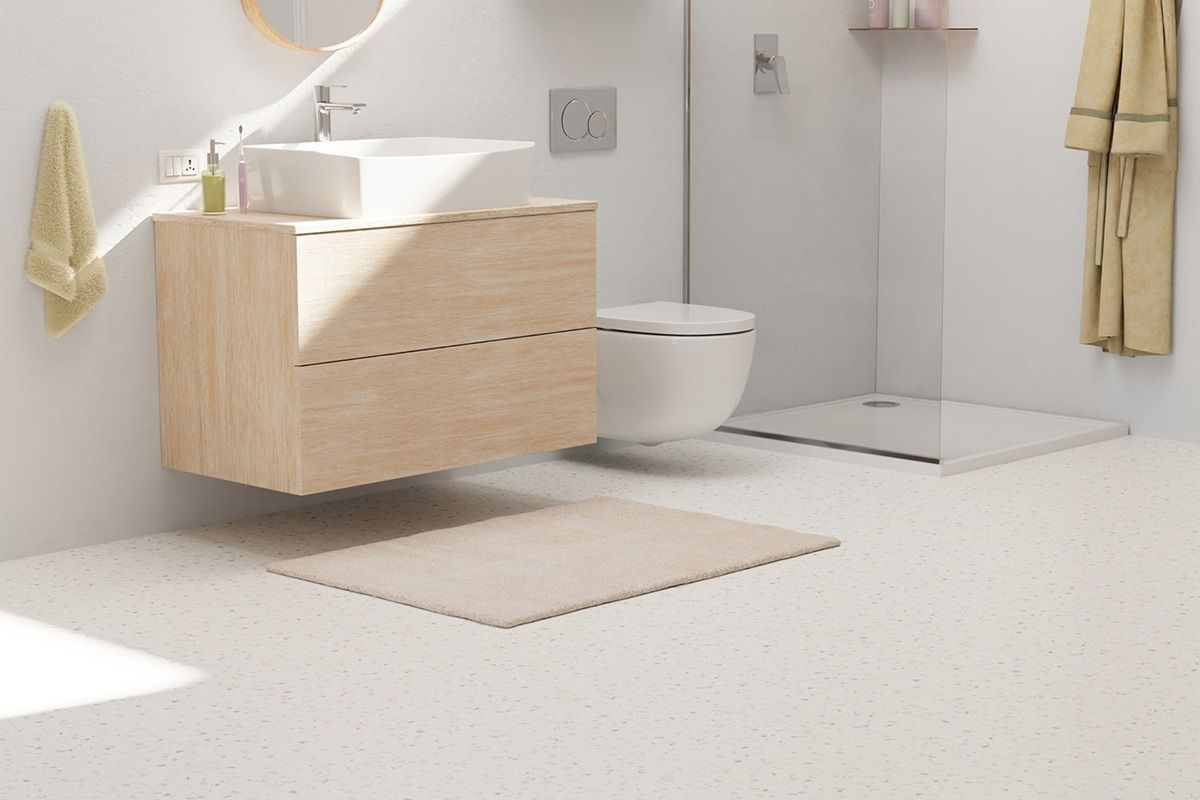
Selected cushioned vinyl products can also be fitted in bathrooms. Sheet flooring can cover a small bathroom with few or no joins, helping to reduce the opportunity for moisture to reach the subfloor. The edges, seams and areas around toilets, basins and pipework must still be fitted and sealed carefully.
For kitchens and bathrooms, check the product’s water resistance, slip resistance and suitability for underfloor heating before purchasing. Water-resistant flooring should not automatically be treated as completely waterproof because its performance also depends on correct installation and properly finished edges.