
Wood and Laminate Flooring Bristol
Affordable Wood and Laminate Flooring in Bristol
C W Jones offer an extensive range of Wood and Laminate Flooring to suit any style, home or business.
We have the largest flooring with the lowest prices in Bristol and the South West. Our strong buying power enables us to offer our quality wood and laminate flooring at affordable prices.
Our expert and experienced flooring team can guide you through the decisions you need to make, and our flooring ranges, to ensure you buy the flooring to suit your needs and budget.
C W Jones Carpet & Flooring supply and stock a comprehensive range of quality hardwood, oak, laminate and engineered hard flooring. Our flooring comes in a range of thicknesses, colours and finishes to suit any needs. We have a huge range of products on display in our showroom to inspire you and for you to see what your new flooring could look and feel like.
One of the most common mistakes people make when choosing between wood and laminate flooring is focusing almost entirely on the colour or finish without considering how the room will actually be used over the next 10 or 20 years. Through more than 60 years of supplying and fitting flooring across Bristol and the South West, the team at CW Jones Carpet & Flooring has found that factors such as subfloor condition, room humidity, natural light, underfloor heating compatibility, household traffic, pets, and future maintenance often have a greater influence on long-term satisfaction than the flooring style itself. A floor that looks identical in the showroom can perform very differently once installed in a busy family kitchen, a home office, or a commercial reception area. Taking the time to assess how a space functions before selecting a product helps ensure your flooring remains stable, practical, and visually appealing for many years, rather than simply choosing the option that makes the strongest first impression.
Examples of CW Jones Wood Flooring:
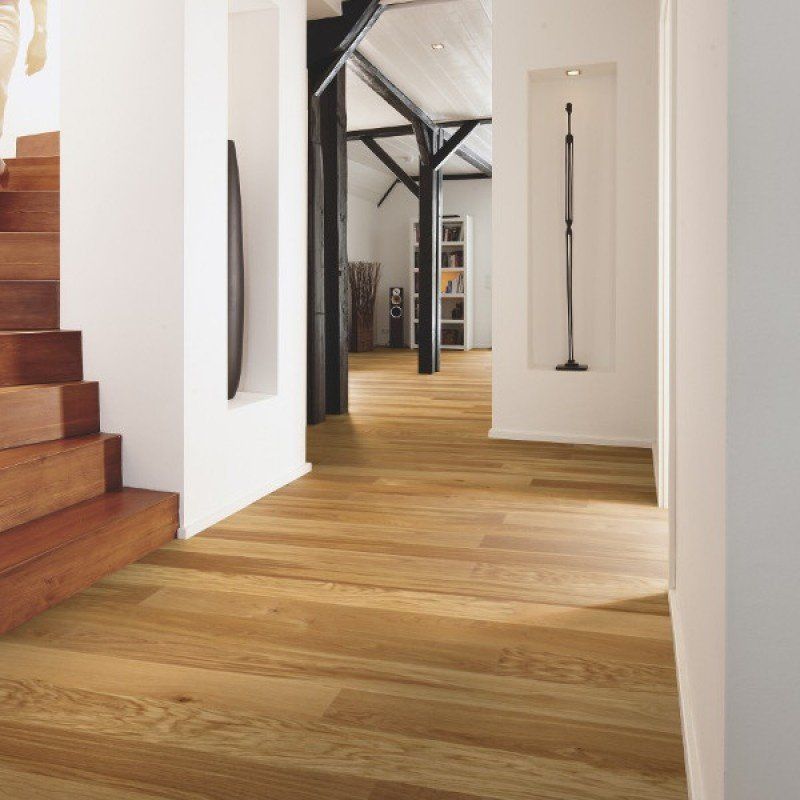
TRADITIONAL WOOD FLOORING - These naturally golden oak woods have an intrinsic warmth and are full of rustic character. With timeless elegance, the designs are perfect for traditional or contemporary homes. You can fall in love instantly with their enduring beauty.
LIGHT WOOD FLOORING - Pale, whitewashed woods with hints of oak’s naturally golden tones. It is perfect for modern homes, pared-back and Scandi-style interiors.
DARK WOOD FLOORING - Bring contrasts to your interior and add to a room’s warm and comfortable feel. When paired with the right balance of light and colour, dark wood flooring is chic, contemporary and sophisticated.
WARM WOOD FLOORING - Our surroundings have a big impact on our happiness at home, and our flooring really can affect how we feel. This flooring will warm-up your home with its cosy mid-toned colour.
WHITE WOOD FLOORING - White wood flooring can give your home a contemporary look that’s chic, bright and airy. These shades are perfect for pared-back design and sure to freshen up the feel in any room.
PARQUET FLOORING - Parquet flooring is now seen as chic and stylish. Use it to bring a beautifully modern or traditional feel to your home. With intricate grain patterns, lovely shades and textures, it’s truly inspired by nature.
GREY WOOD FLOORING - Neutral is beautiful. Blending pale oak tones with ashen hues, a grey floor is truly versatile. Work into your room and you’ll see it’s easy to pair with so many colours and styles.
DISTRESSED WOOD FLOORING - Distressed wood flooring designs can look just as fantastic with rustic or modern schemes. These floors have been lovingly aged and antiqued using time-honoured techniques.
Examples of CW Jones Woodpecker Laminate Flooring:
If you’re after the look of real wood underfoot and you want durability and scratch-resistance all at a budget-friendly price, then laminate flooring has your name on it. It can help you add a natural note to a room style that’s guaranteed to make it feel warmer or bring in character that softens a new scheme.
Laying laminate is an easy way to introduce an on-trend floor. Whether you’ve fallen for rich dark hues that are the perfect contrast to light walls; love the idea of embracing modern grey tones for flooring; or you want to embrace the fashion for a geometric pattern at floor level, there’s a laminate that’s just right for you.
So, you can usher in a natural finish, or give your rooms a contemporary edge through colour or pattern. Our Chepstow and Brecon laminate ranges provide all the options you need in a highly durable, easy-care flooring. Chepstow has bevelled edges, is suitable for underfloor heating, and is backed by our 100-year guarantee, while the Brecon range is perfect for kitchens and bathrooms with its moisture resistant qualities and a stunning selection of wood tones.
We’ve chosen seven fabulous laminates which will fulfil all your criteria when it comes to style and practicality.
Washed Oak Wide - Washed oak is a light-coloured laminate flooring that has a natural wood-like appearance. It features a pale, whitewashed or greyish-white colour with subtle variations and distressing to give it a weathered, rustic look. The grain pattern and knots of the wood are often visible, giving the flooring a natural and authentic appearance.
Vanilla Oak laminate flooring is a light, neutral colour that mimics the natural look of oak wood. It has a creamy, beige undertone with subtle variations in colour throughout the planks, giving it a realistic and natural appearance. The "vanilla" aspect of the name refers to the light, pale colour, while the "oak" refers to the wood grain pattern that is replicated on the surface of the laminate. This type of flooring is perfect for creating a warm and inviting atmosphere in any room of the house.
Rustic Oak - The colour of this flooring is typically a warm, medium brown with variations in tone and grain pattern. The colour may also include subtle hints of red and orange, giving it a rustic, natural appearance. The surface of the flooring may also have a slightly distressed or weathered look, adding to its rustic charm. This type of flooring is popular in homes and commercial spaces that want to achieve a cozy, natural feel.
Planed Cocoa Oak The "planed" texture gives it a smooth, even surface that has been sanded and polished to a high shine. The "cocoa" tone adds a hint of warmth and depth to the colour, making it a versatile option that can complement a wide range of interior design styles. Overall, it exudes a sense of elegance and sophistication.
Antique Oak laminate flooring is a wood-look flooring option that mimics the appearance of antique, reclaimed oak wood. The colour of this flooring is typically a warm, rich brown with variations in tone and grain patterns to create a natural, rustic look. The surface of the laminate may also have a slightly distressed or weathered appearance, adding to the antique look. Overall, antique oak laminate flooring is a great option for those looking to add a touch of vintage charm to their home without the cost and maintenance of real hardwood.
If you are looking for affordable and durable Wood and Laminate Flooring in Bristol, come and visit us at our supersize showroom in Bristol. We can help you decide on the flooring which will transform your room, home or property. Alternatively, you can contact us on 0117 966 1454 and one of our flooring experts will be happy to help.
CW Jones Carpet & Flooring:
10 Vale Lane, off Hartcliffe Way, Bedminster, Bristol. BS3 5RU.
Our Opening times:
Mon-Sat: 9am-5.00pm
Sunday and Bank Holidays: Closed